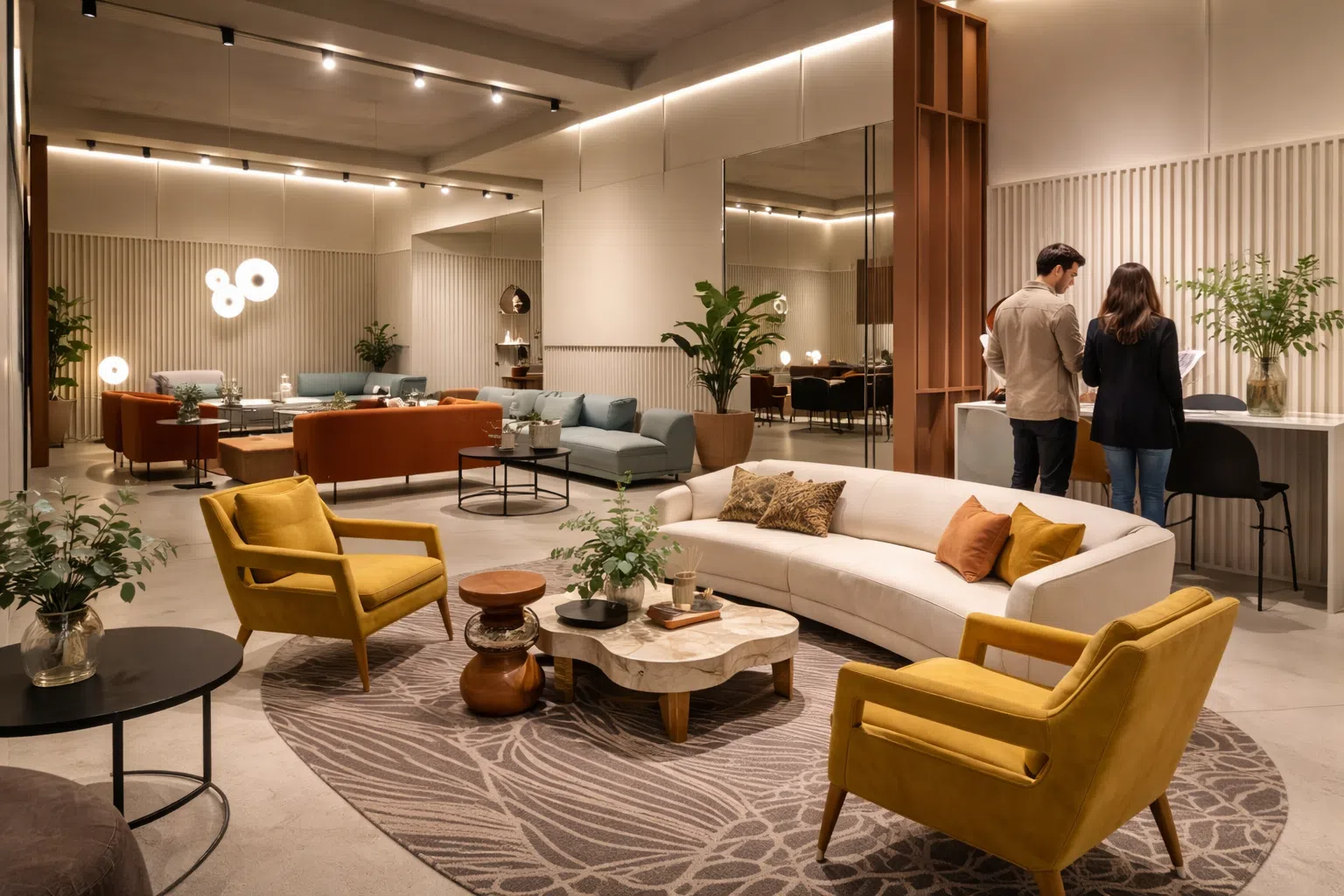
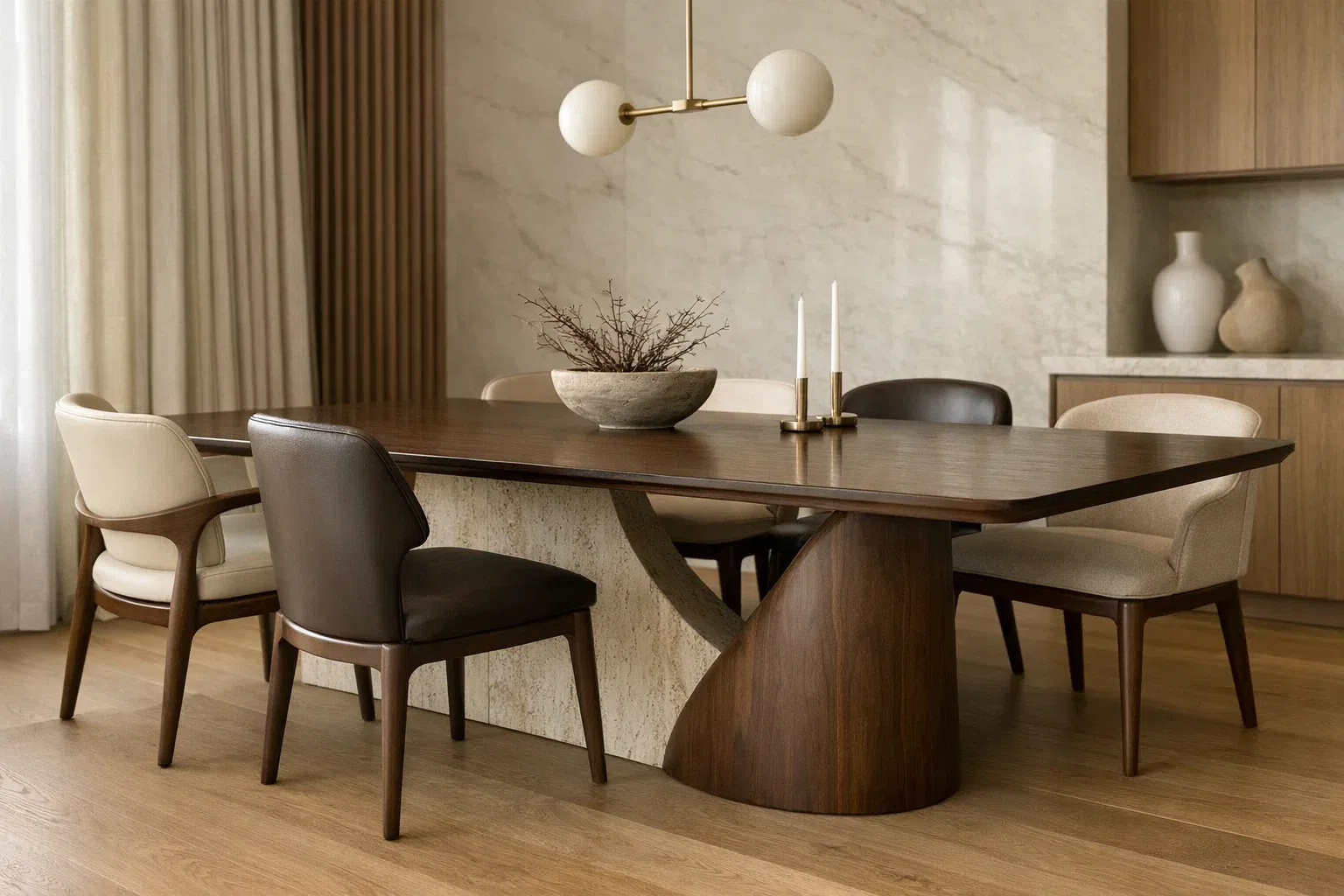
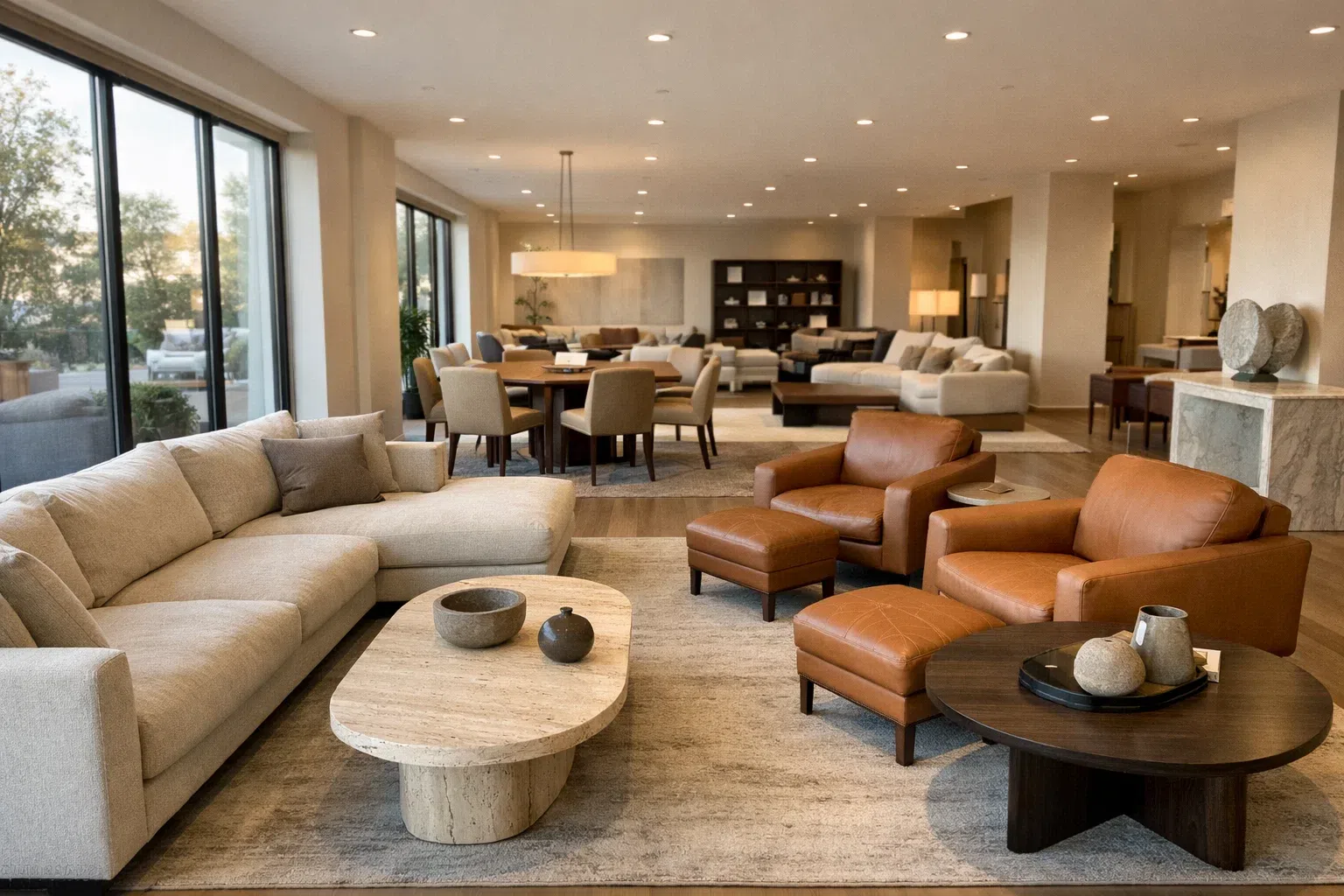
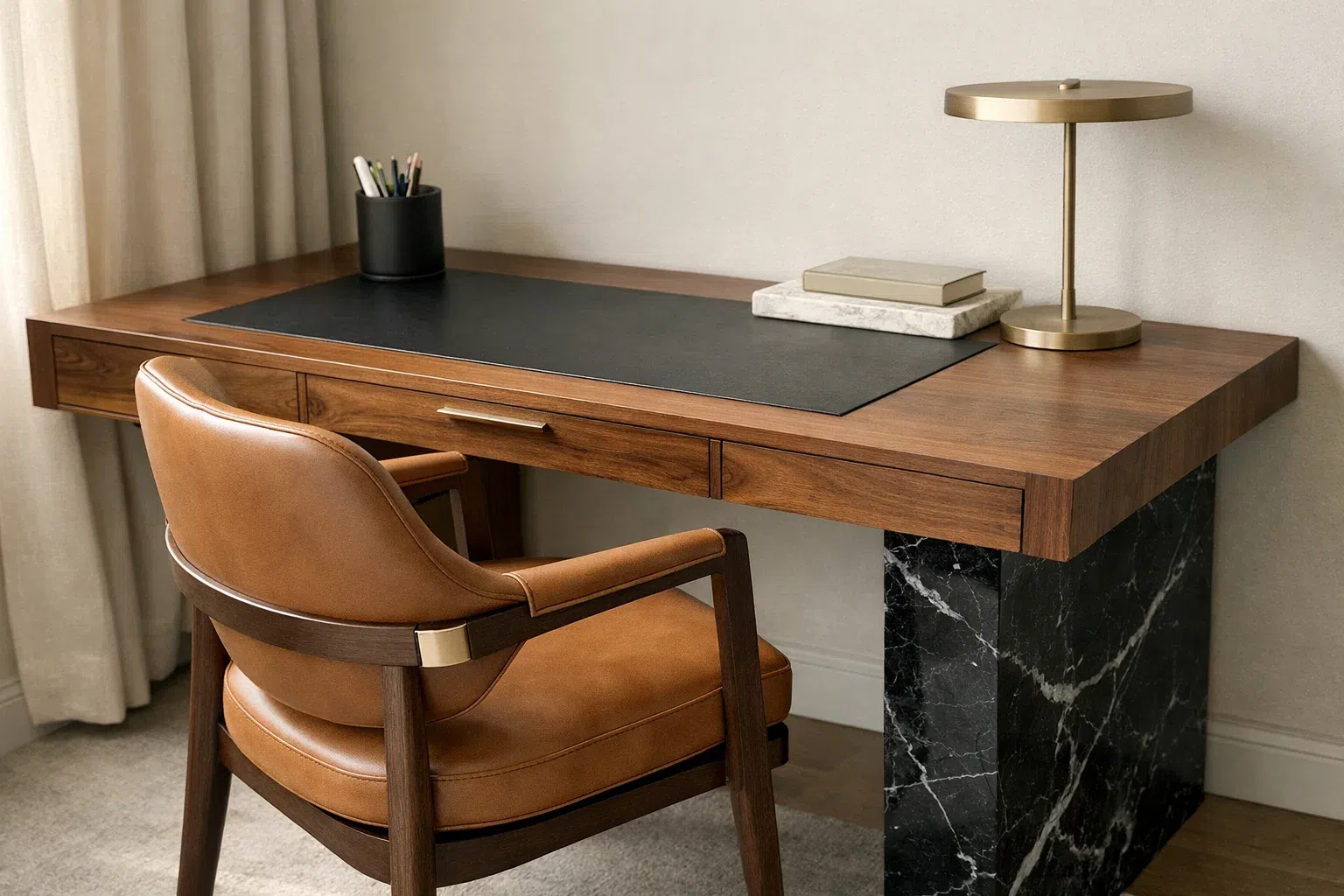
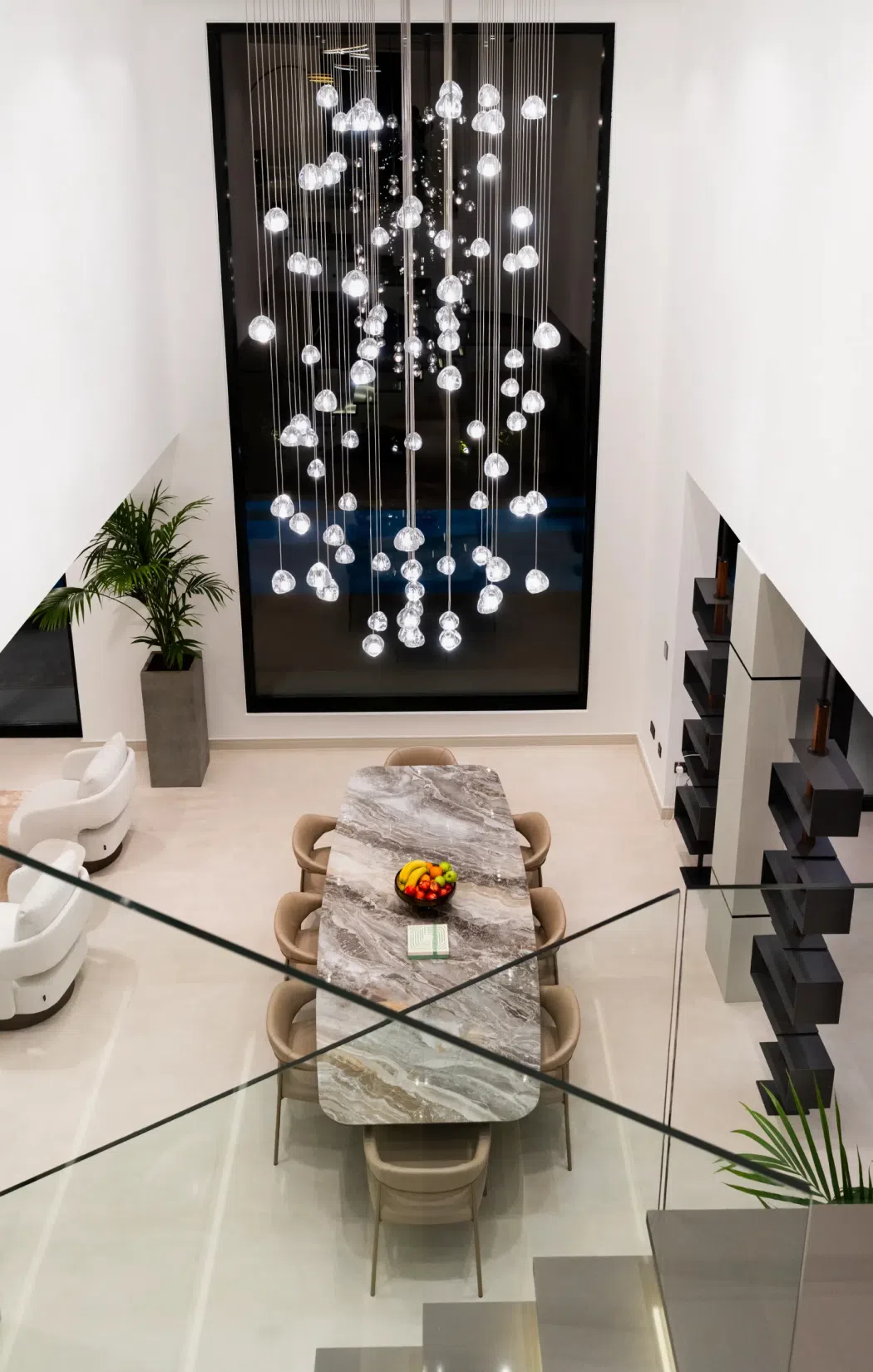
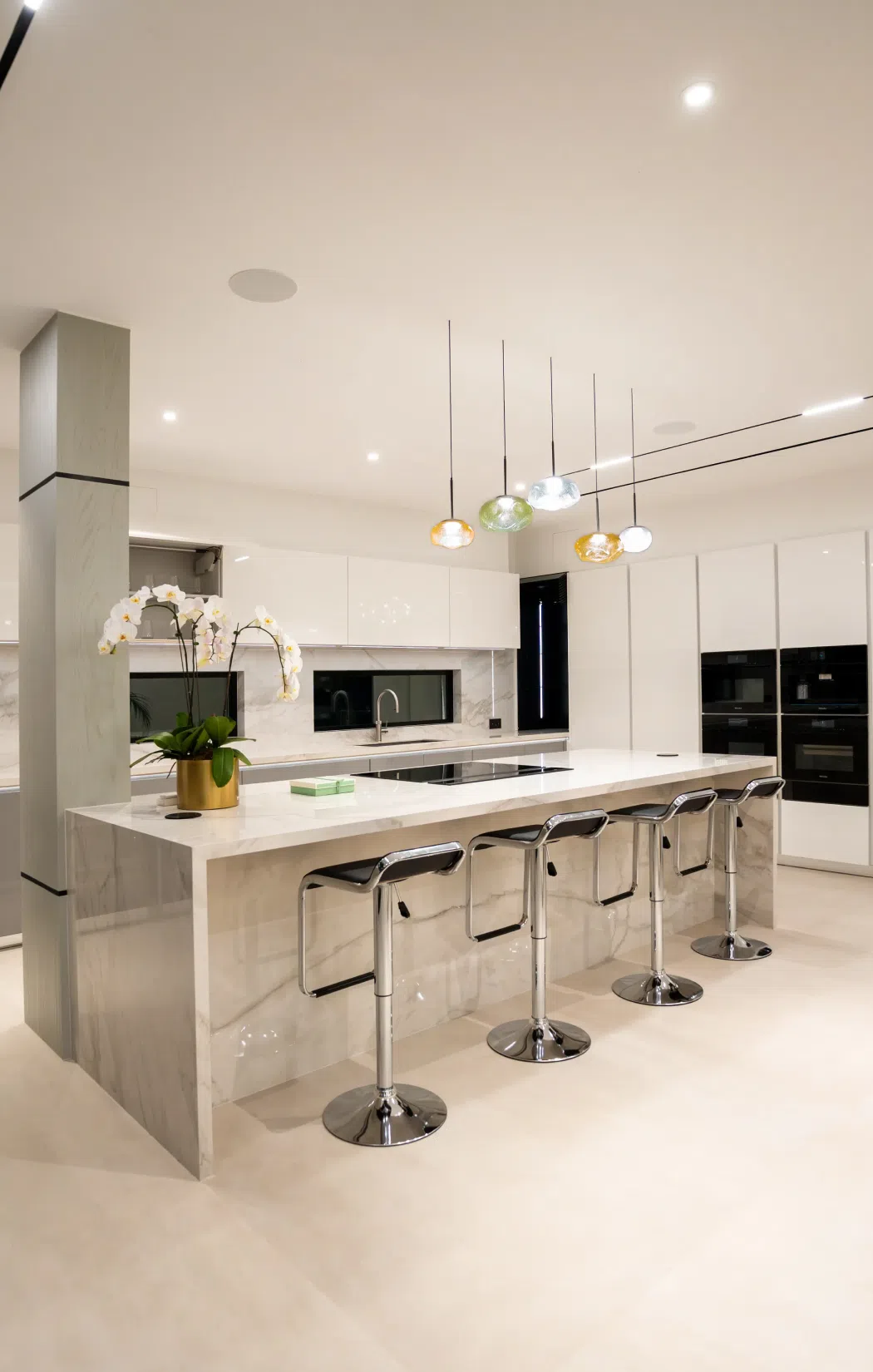
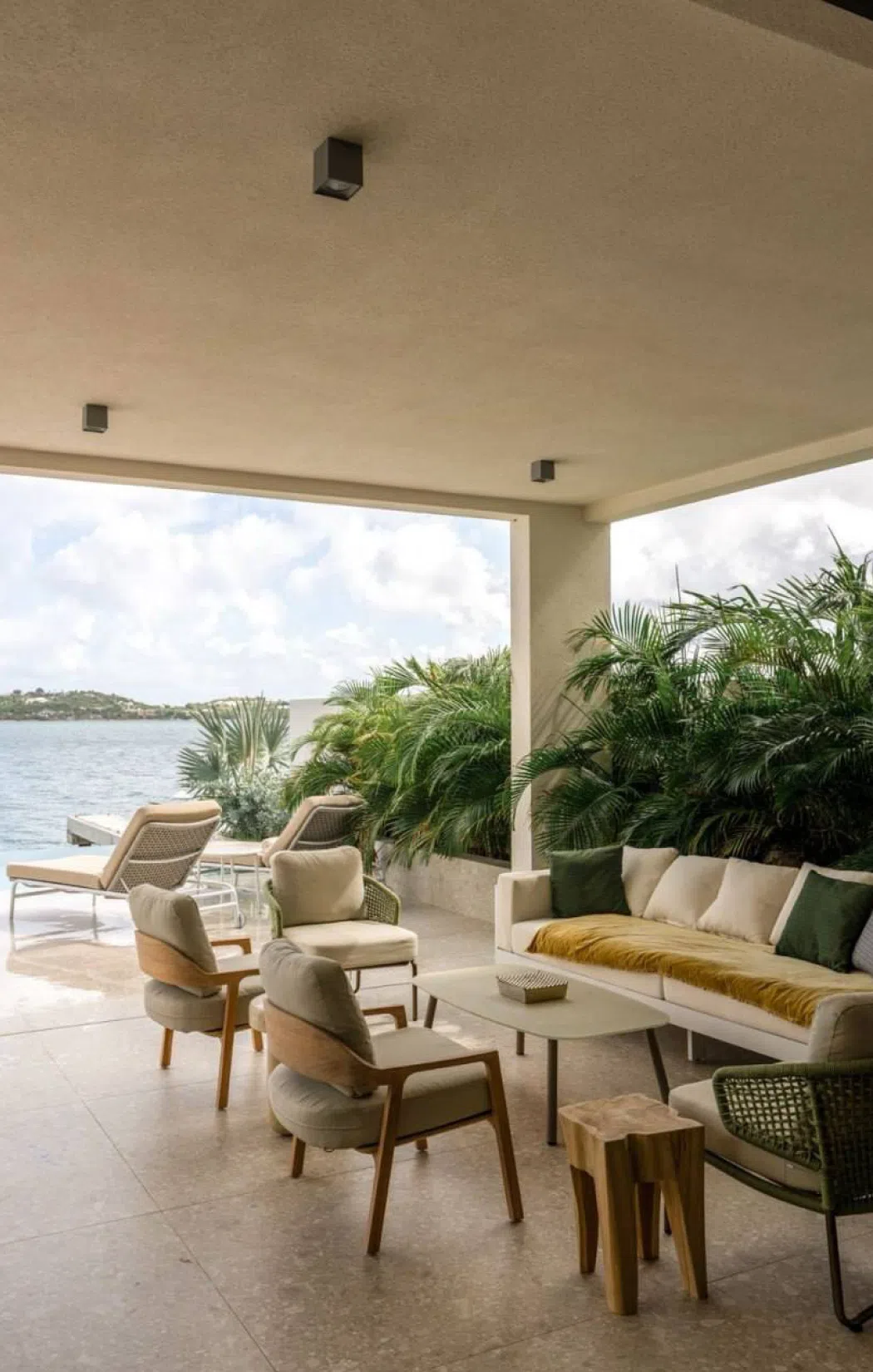
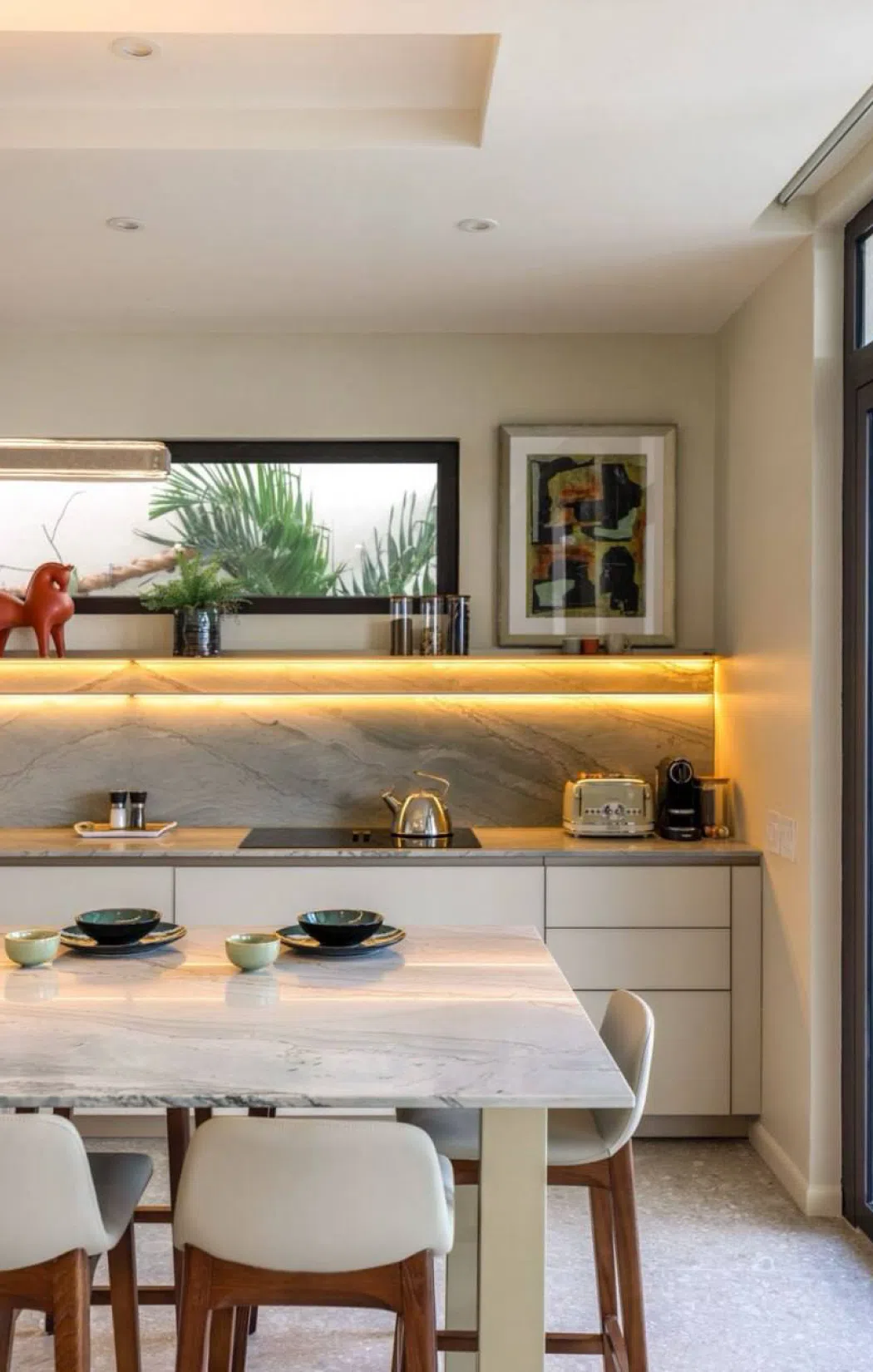
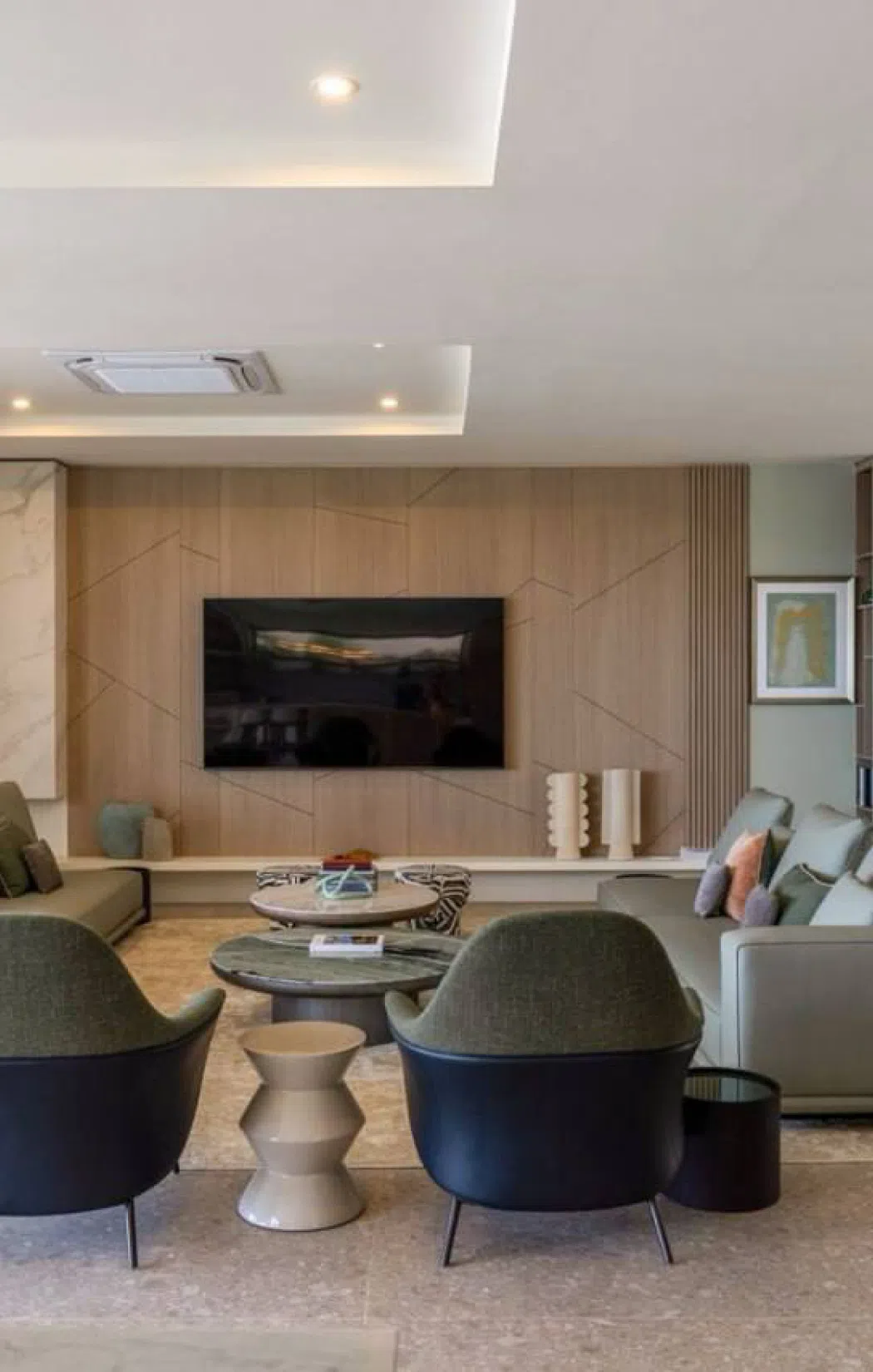
The debate over luxury furniture in China vs Italy has undergone a significant shift in recent years. While the discussion used to focus on the place of origin and price tag, the new debate now encompasses the differences of production systems, design ownership, and project approach. Currently, the discussion no longer focuses on which one is the best — Italian vs Chinese furniture. The debate now revolves around relevance.
A comparison of China and Italy in today's luxury furniture market
To understand why Chinese and Italian furniture are compared today, it is essential to move away from a price-based narrative. The comparison did not emerge because clients started looking for cheaper options. It reflects a deeper shift in the structure of the luxury interior market.
Premium clients, architects, and developers face a more complex scenario. In this context, the market began seeking a viable alternative to the Italian furniture solution. It is not a second-best option but a parallel solution that could help preserve the original intention and concept with a different approach. There is no dominant model in the production of high-end furniture.
Historical context: Italy as the aesthetic reference point
It was during most of the 20th and early 21st centuries that Italy was the global standard for furniture design. Italian brands presented themselves as cultural leaders. Buying furniture from Italy was about aligning with a visual language and trusting a brand as a taste leader.
This is how Italy became synonymous not only with manufacturing, but with design authorship, where brand, designer, and factory were perceived as a single source of value.
Market changes: from collections to architectural projects
Later, luxury interiors became more architectural and unique. Designers no longer relied on catalog interior construction, opting instead to create a space as an extension of the structure.
This resulted in several structural changes, including:
The increase in fully customized projects
More technical and detailed briefs
Furniture designed to integrate with architecture, not merely occupy space
Under these conditions, brand collections alone could no longer guarantee project fit. The conversation shifted from where furniture comes from to which system can accurately execute bespoke architectural intent.
China's role: not an alternative, but a different system
China entered the equation precisely at this moment of transition — not as a low-cost substitute, but as a manufacturing system capable of responding to new project realities.
Chinese production systems evolved rapidly in response to:
Growth of private label manufacturing
Expansion of custom and semi-custom furniture
Demand for integrated architectural solutions
Rather than offering finished design narratives, Chinese manufacturers position themselves as high-level execution partners of external authorship, translating architectural documentation into physical reality.
This is not a replacement for Italy, but a structural complement — one optimized for flexibility, scale, and technical adaptation.
FREE
Have a Design Project?
We'll Source All the Furniture and Decor
Send us your spec sheet or rendering, and we'll match every piece of furniture and decor to your design
FREE
Have a Design Project?
We'll Source All the Furniture and Decor
Send us your spec sheet or rendering, and we'll match every piece of furniture and decor to your design
FREE
Have a Design Project?
We'll Source All the Furniture and Decor
Send us your spec sheet or rendering, and we'll match every piece of furniture and decor to your design
Design & aesthetics: authorship matters more than geography
Different design roles within the luxury market
Discussions around Italian furniture design philosophy often start from an implicit assumption: that design excellence is inseparable from its country of origin. Italy, in this view, does not simply produce furniture — it creates design. While this perception is rooted in history, it no longer fully reflects how premium interiors are conceived and delivered today.
Design quality is not geographical. Design quality is determined by its authorship, its intention, and its conceptual merits. The factory, whether it be Italian or Chinese, is the execution machine.
Italy still leads in heritage-related authoring. Its brands provide a complete design expression that clearly conveys excellence in an instant.
China's strength lies elsewhere: in the execution of externally authored designs, especially when furniture functions within a broader architectural system rather than as isolated objects.
From concept to reality: how furniture design is executed in China
One of the most persistent misunderstandings in the market is the belief that luxury furniture design from China is primarily about replication. This assumption does not reflect how premium custom manufacturing works today.
China's factories that produce high-end items do not solely work from products or catalogs. They work from detailed architectural drawings.
The originality is in the brief. If the design is original, then the furniture is, by definition, original too. The role of the factory is translation, not interpretation.
China's main strength is its ability to handle complexity, repetition, and customization, features that are imperative in villas, hotels, and multi-unit developments.
Design authorship: who actually defines luxury aesthetics
The final project designs for the modern luxury development commence before the discussion of manufacturing.
Luxury design typically originates in:
The architectural concept
Proportion systems and spatial hierarchy
Material logic and surface relationships
The intended sensory and visual experience
Under this paradigm, furniture is no longer considered an isolated object. Instead, it is an extension of architectural elements that synchronizes with architectural rhythms and lighting scenarios.
As a consequence, the architect and interior designer emerge as the first authors of the design language. Their job is to create the visual language, and the manufacturer, Italian or Chinese, must deliver.
Is there a difference in materials, craftsmanship, and quality control
Same materials, different systems
In the high-end furniture market, materials are not regional but global. High-end veneers, engineered boards, metals, fabrics, stone, and leathers come from the same global sources. Both Italy and China are part of this same international system. In fact, it is not the difference in available materials that matters but rather how those materials are regulated during production.
Quality as a managed process, not a geographic trait
Quality is not a geographic trait. It is the result of structured documentation, supervision, and inspection.
Italian brands embed quality control within brand systems refined over decades. In China, quality is externally managed — dependent on professional oversight and project governance.
With proper management, Chinese manufacturing can meet the standards associated with established European brands.
Luxury furniture today: a global production system
Luxury furniture is no longer produced within a geographical boundary or a self-contained workshop. Today, it is part and parcel of a global furniture supply chain described by distributed manufacturing and international cooperation.
Rethinking the Italian furniture manufacturing process
The typical representation of the Italian furniture production process suggests an entirely local process, in which design, material sourcing, production, and completion occur within the same geographic area. Contemporary Italian producers operate within a much broader global system and maintain their unique leadership in design.
Italian brands set the trend when it comes to aesthetic definition, proportion, and logic of materials. However, some parts used in a finished product, such as specific hardware components, engineered materials, or special finishes, could be developed or produced through global collaborations. This way, the focus could be on design authorship rather than specialized processes.
This does not dilute the value of Italian furniture. Instead, it reinforces it by integrating best-in-class capabilities from multiple regions into a single, cohesive product.
Distributed manufacturing as a premium standard
The critical components of high-end furniture today include advanced materials science, precision engineering, high-tech surface finishing, and consistent production at scaled or reduced volumes.
This has led premium furniture products to become increasingly the product of a world system in which design, engineering, prototyping, parts manufacturing, and final product assembly are integral.
In this system, geography becomes a variable rather than a defining characteristic. The key is to integrate all these elements in a way that maintains the design's integrity.
Factory model vs brand model
These two systems have been pitted against each other in comparisons that imply that one is a substitute for the other. The actual case is that each has a distinct application that addresses different project needs.
The real choice is not between “better” or “worse,” but between tools designed for distinct design and business tasks.
The brand furniture vs custom furniture discussion becomes clearer when the two systems are viewed structurally.
Criteria
Brand model
Custom factory model
Flexibility
Low
High
Recognizability
High
Partial
Scalability
Limited
High
Adaptation to project
Partial
Full
The brand model: design as a finished statement
The brand model is founded on exclusive design authorship. The furniture is perceived as a holistic unit, encompassing an entire set of specific measurements and materials. The main advantage of furniture lies in its recognizability.
Key characteristics of the brand model:
Fixed design language developed by known designers or studios
High visual identity, often instantly recognizable
Limited adaptability to non-standard dimensions or materials
The custom factory model: design as a system
The made-to-order furniture production system is different. It begins with a project brief rather than a finished design. This is because it is often designed as part of an integrated interior system.
Key characteristics of the custom factory model:
High flexibility in dimensions, materials, and finishes
Scalability, from single villas to large hospitality projects
Full adaptation to architectural layouts and technical constraints
Pricing structure: what you actually pay for
In high-quality furniture brands, the cost of the product is generally considered a direct reflection of its quality. But it is essential to understand the cost structure of furniture in Italy and the cost of furniture manufacturing in China to identify what actually drives the price.
Italian furniture price breakdown
Italian brands are based on a vertically integrated brand ecosystem, where production quality is only one component. A large portion of the price is directed toward sustaining the brand infrastructure that nurtures visibility and cultural authority worldwide.
1. Brand equity
Investment in design research, collaborations with renowned designers, long-term brand positioning, and visual identity. Clients are not only purchasing furniture but also the symbolic value and recognition associated with the brand.
2. Showrooms and exhibitions
Permanent flagship showrooms in major cities, participation in international fairs, and curated exhibitions all contribute to the brand’s presence. These spaces are critical for maintaining prestige but add substantial overhead.
3. Distribution networks
A distribution system with many layers, such as agents, dealers, and regional distributors, increases accessibility; however, it is also expensive. Every layer in such a distribution has its uses for consumers, logistics, and services.
This is why it costs so much to buy Italian furniture. This price takes into account not only the object, but the whole system that supports it.
Chinese furniture price breakdown
In contrast, custom furniture projects in China follow a different economic logic. The client’s budget is concentrated on tangible, project-specific elements.
1. Manufacturing
The cost of production is directly linked to materials, workforce, and technical complexity. There is minimal extra for brand recognition and existing design ownership.
2. Quality control
Professional supervision, inspection, and project management expenses are clearly outlined as costs. The quality of a brand is budgeted, measured, and financially compensated as a project outcome rather than absorbed into a brand's margin.
3. Logistics
In China, transportation, packaging, and coordination are not expenses on top of their production process; they are part of it. This means that a pricing system is created that accounts for the full scope of work. The difference in total cost is not necessarily a difference in quality; it often reflects the absence of brand overhead.
Lead times and project deadlines
Standard timelines: predictability through fixed cycles
It is a common practice to have the furniture of the Italian brand produced in accordance with defined production cycles. The collections are designed, planned, and created within established timelines that are independent of individual projects.
The key features of the brand timeline are:
Standard lead times based on catalog products
Limited flexibility once production has begun
Changes often result in delays or require reordering
This type of model provides predictability for a standard item but may become limiting under changed project conditions.
Custom timelines: flexibility through parallel processes
In contrast, the delivery time for custom furniture in project-based manufacturing is shaped by a different logic. Custom projects allow multiple stages to run in parallel rather than sequentially.
Typical features of custom timelines include:
Development of shop drawings while materials are being sourced
Phased approvals that allow production to start on finalized elements
The ability to adapt certain components without stopping the entire process
This flexibility is especially valuable in complex projects where architectural details evolve during construction. The ability to manage change without resetting the entire timeline is a major advantage of the custom model.
Managing change and mitigating delays
Delays in furniture production are rarely random. They usually result from unclear specifications, late decisions, or poor coordination between stakeholders.
Effective timeline management includes: clear decision milestones, defined approval stages, and controlled change management during production.
In custom manufacturing environments, changes can often be absorbed if they are identified early and communicated clearly. Without structure, however, flexibility can turn into risk.
Professional project planning always includes time buffers. These buffers do not indicate inefficiencies but rather risk management tools. In efficient projects, the buffer zones can absorb project risks without impacting the final hand-off date.
When Italian furniture is the right choice
Knowing when to consider Italian furniture is particularly important for making the right choice in upmarket interior design. Even with the advent of custom manufacturing and global production systems, there are situations where Italian furniture is preferable.
Iconic branded pieces as design anchors
The Italian furniture industry excels at creating iconic objects. Some chairs, sofas, tables, and lighting fixtures are famous worldwide as design icons. In these instances, the object also has significance aside from its purpose.
The use of such artwork in luxury interiors enables designers to establish a space through a design statement, reference a design period and its philosophy, and demonstrate cultural knowledge.
Interiors where brand identity carries symbolic value
In some projects, the presence of a brand is itself a design decision. High-end residences, representative spaces, or flagship interiors may require recognizable names to define their identity.
In these contexts:
The brand communicates status and alignment with a certain lifestyle
The furniture becomes a cultural signifier
Recognition can be as important as originality
Italian brands, with their long-established heritage, fulfill this role more convincingly than most alternatives. Here, the brand is not decoration — it is content.
Projects with a strong design manifesto
Italian design furniture works well in interior design guided by design ideology or manifesto. In projects that convey modernism or modern Italian minimalism, branded Italian design furniture helps create conceptual coherence.
In these situations, the furniture is selected not for its adaptability but for its ability to represent a certain point of view. The collection itself becomes part of the language of design.
Limited editions and heritage-driven collections
The other sphere where Italy remains unbeatable is the so-called limited-production and heritage collections: small series that are produced and closely linked to a particular designer or workshop, and highly valued for their origin as much as for their appearance.
For collectors and clients who value continuity, authenticity, and historical depth, such objects will always possess something that can not be created through custom manufacturing: a direct link to design history.
When custom manufacturing in China is the best choice
When the need for flexibility, scalability, and accuracy outweighs the need to establish an identity through brands, understanding how China fits as a furniture source is essential.
Private villas and high-end residences
Custom manufacturing is especially useful for private property development projects, where no two environments will ever be identical. In villas or private dwelling projects, some of these factors could be: non-standard room dimensions, customized ceiling heights, wall systems, and built-in furniture features such as wall panels or cabinetry.
Full-house furnishing and cohesive interiors
When a whole house is to be furnished, what is required is not just individual pieces of furniture but a cohesive furniture system with common materials and finishes, proportional relationships, and repetition with variation.
Chinese factories are well-suited to this task. Their production models support large volumes of customized items without losing consistency, making them ideal for projects where furniture functions as part of a broader architectural language rather than as isolated objects.
Hospitality and development projects
China-produced furniture has an integral role in the hotel, serviced apartment, and residential sectors. These schemes involve complexity in both their design and functionality.
China’s manufacturing systems perform well in this category because they can replicate custom designs for multiple units, produce similar designs on a mass scale, and modify designs to suit different rooms.
For developers, this balance between customization and scalability is essential. It allows design concepts to remain intact while meeting commercial and operational constraints.
Management is the key factor
In high-end furniture production, complexity is unavoidable. Custom dimensions, material coordination, installation sequencing, and alignment with architectural works all require an organized management framework.
What actually drives successful sourcing
Regardless of whether production takes place in Italy, China, or elsewhere, the same core factors apply:
Clear technical briefs
A properly prepared brief interprets design intent through accurate, precise specifications. Drawings, finish schedules, tolerances, and sample pieces are all part of a properly communicated brief. If a brief is not exact, it will lead to compromises down the line.
Quality control in furniture sourcing
Quality control is neither a final inspection operation, but a continuing process. The approval of samples, examination during production, and inspection before shipment are designed to uncover defects early, while they can still be addressed.
Continuous communication
Up-market projects must account for multiple parties: designers, manufacturers, and engineers. Structured communication eliminates miscoordination of decisions.
Professional supervision
Furniture manufacturing supervision in China — or in any other production geography — provides on-the-ground oversight. Supervisors act as translators between design intent and factory execution, ensuring standards are maintained throughout production.
Why geography is a secondary factor
Geography doesn’t handle complexity; it’s up to people and systems. A factory in a traditionally ‘safe’ market can still deliver substandard performance if the project lacks organization. On the other hand, in a highly flexible manufacturing environment, a well-organized factory can achieve outstanding quality.
If not managed, any location can be problematic. But if handled properly, it can be a reliable resource.
China and Italy in global premium furniture manufacturing
In a general presentation of the high-end furniture market, it is clear that China and Italy operate as complementary sides of this globalized world rather than opposing ones. They both play different roles, based on history, production systems, and how high-end furniture is ordered today.
It is also worth noting that statistics in the luxury market are inherently approximate. Much of the high-quality furniture is produced under private-label and contract-manufacturing arrangements for hotels and private clients. Thus, the export statistics do not always represent the actual impact. However, the functional division of labor is still quite distinct.
China: scale, systems, and project execution
China's luxury furniture manufacturing accounts for the world's largest furniture production ecosystem. Its strength lies in its ability to execute complex projects at scale with high levels of customization.
China dominates in contract furniture, hospitality furniture manufacturing, large-scale custom and bespoke production, developer-driven and multi-unit projects.
The biggest strength of Chinese factories is that they have been designed with large production volumes in mind, with similar parameters and identical features spread across different regions, production lines that run alongside different construction timetables, and adaptation to each project rather than fixed collections.
Italy: authorship, identity, and cultural capital
The production of high-quality Italian furniture continues to be the source of fashion codes within the global high-end market. Italy’s influence is disproportionate to its production volume because its strength lies in authorship rather than scale.
Branded luxurious furniture, collectibles, and limited-edition products provide the legacy collection and tell the story of the product through design. Brands in Italy are loaded with meaning. In specific projects, furniture will go beyond functionality and signal culture through its design legacy and heritage.
Projects executed with Chinese furniture vs. Italian pieces
To illustrate how different manufacturing and design philosophies manifest in real, high-end residential interiors, let’s briefly compare two private estate projects.
Luxurious residence furnished with Chinese pieces
These areas are a model of high-end furniture execution in the Chinese market. Among the attractive characteristics of the villa design are:
Seamless architectural integration: The furniture, built-ins, and architecture merge as part of the spatial logic to create cohesive living areas explicitly designed with the layout in mind.
Custom spatial adaptation: The scale and arrangement of sofas, cabinets, and seating components are tailored to the space's dimensions, prioritizing flexibility over making a product statement.
Execution focus: Every piece — from lounge seating to bespoke wall shelves — feels calibrated to the environment rather than chosen from an existing collection. The overall effect is one of harmonious, custom-tailored work that fulfills a project-specific brief.
This approach reflects the strengths of a system built around custom execution and responsiveness to architectural conditions.
High-end villa furnished with Italian pieces
The villa, furnished with Italian pieces, represents a different philosophy. In this case, the interior is composed through the selection of high-end Italian furniture pieces, each contributing its own visual and cultural weight to the space.
Key characteristics of this approach include:
Furniture-driven composition: The interior design revolves around distinct furniture elements used as focal points. Sofa sets, tables, and lounge seating are visually prominent, thereby defining the mood of each space.
Consistent design language: Resilient proportions, silhouettes, and material contrasts that provide a distinct visual personality imbued with Italian design culture.
Cultural significance or symbolic value: This furniture has a more profound significance beyond its utility. Its presence exudes polish and a strong sense of adherence to a well-defined luxury brand.
In this scenario, furniture serves not only as an architectural element but also as a vehicle of design authorship. The space derives its identity from the language of design expressed through the chosen objects.
Final thoughts
There is no single, correct answer to determining where luxury furniture should be manufactured. It is simplistic to provide an answer based just on geography. The truth is, in today's luxury market, it is less about where products are made and more about why.
When choosing a manufacturing location for furniture, the most reliable approach is not emotional, ideological, or driven solely by reputation. It is structural. The decision should be grounded in:
The nature of the project
The role furniture plays within the architecture
The level of customization required
The available management and control capacity
Italy and China represent two mature, highly developed systems — not competing answers to the same question, but different responses to different design and production needs.