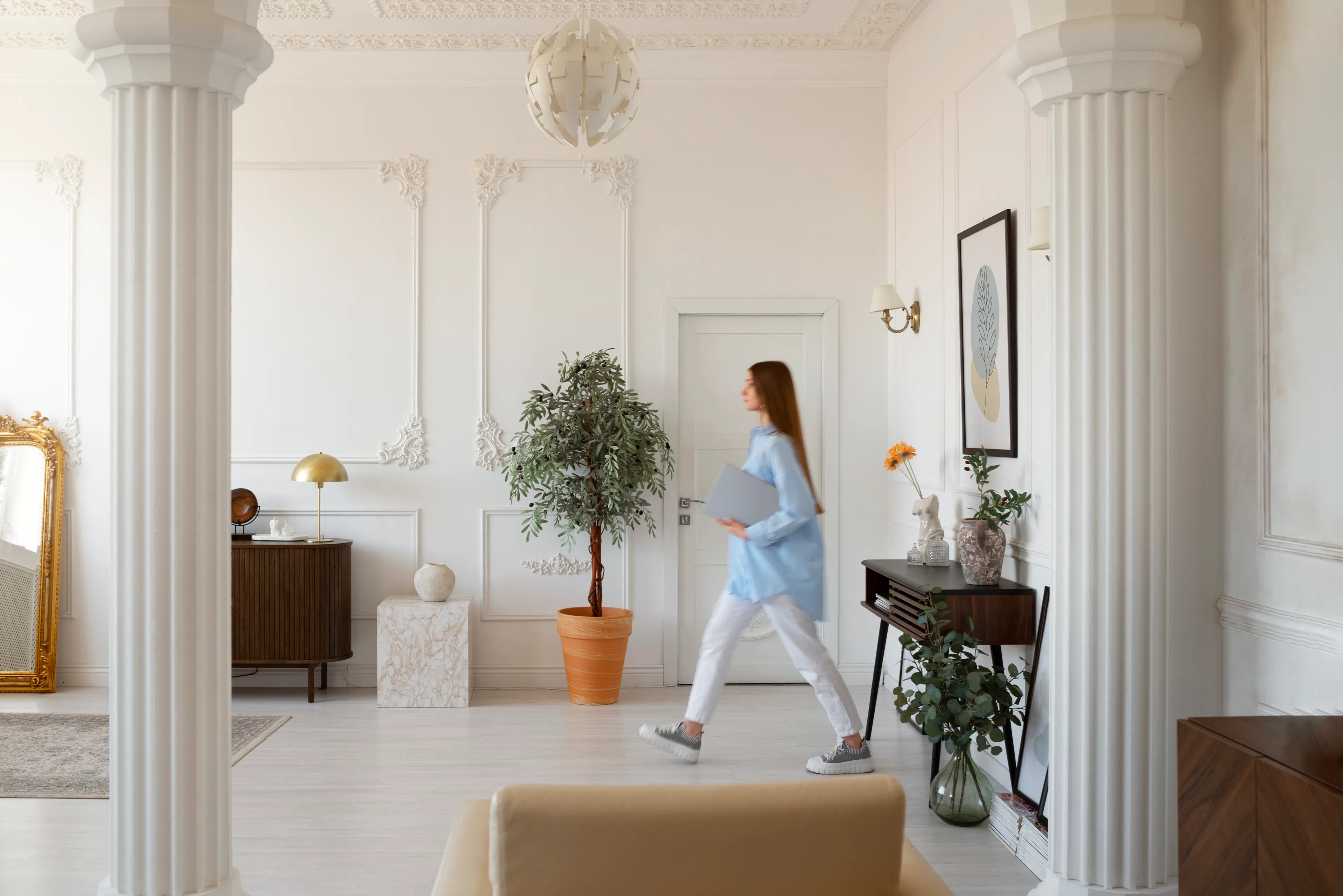
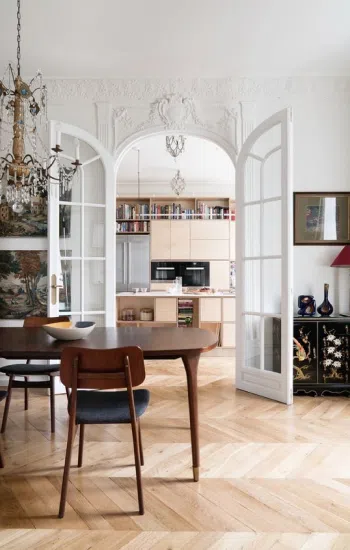
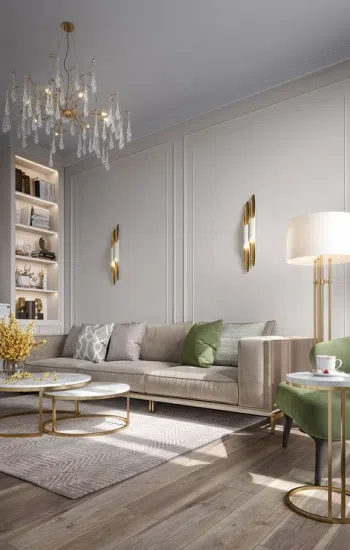
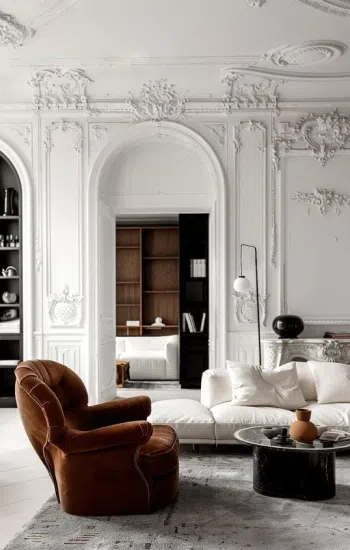
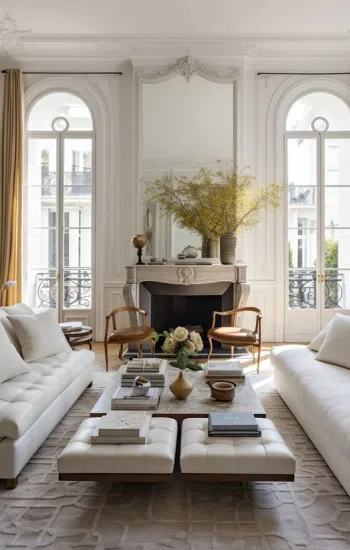
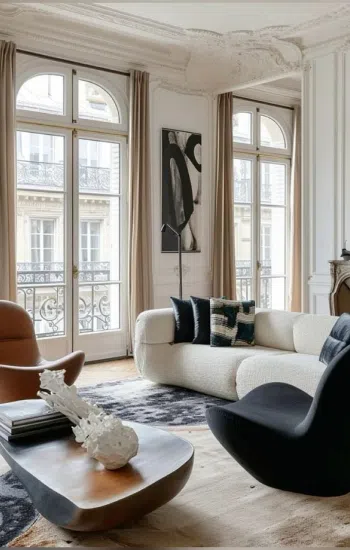
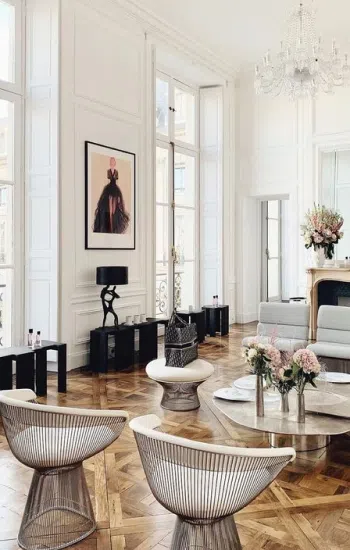
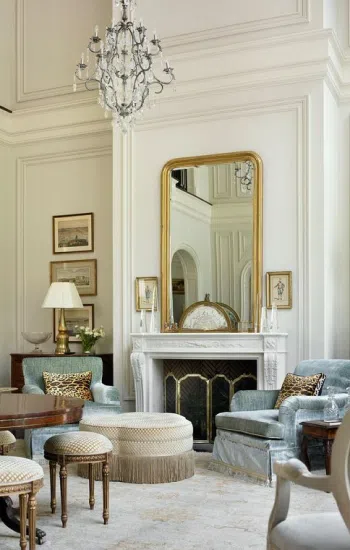
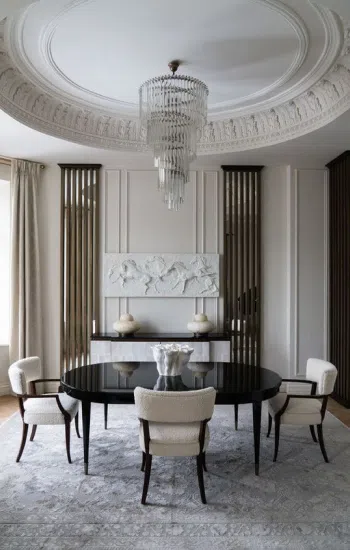
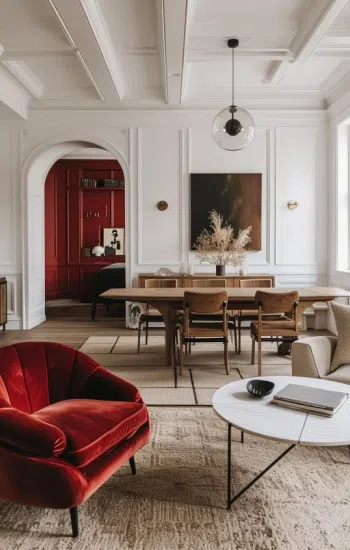
The neoclassical interior style gained popularity in the 19th century due to the excessive luxury and ornamentation of the prevalent Baroque and Rococo styles. Neoclassicism incorporates elements of classical architecture and art adapted to modern lifestyles. Therefore, this style is ideal for those who value elegance, comfort, and harmony in their interiors.
In this article, we will discuss the key characteristics of neoclassical design and demonstrate how to recreate it in your space using furniture from China.
Neutral shades
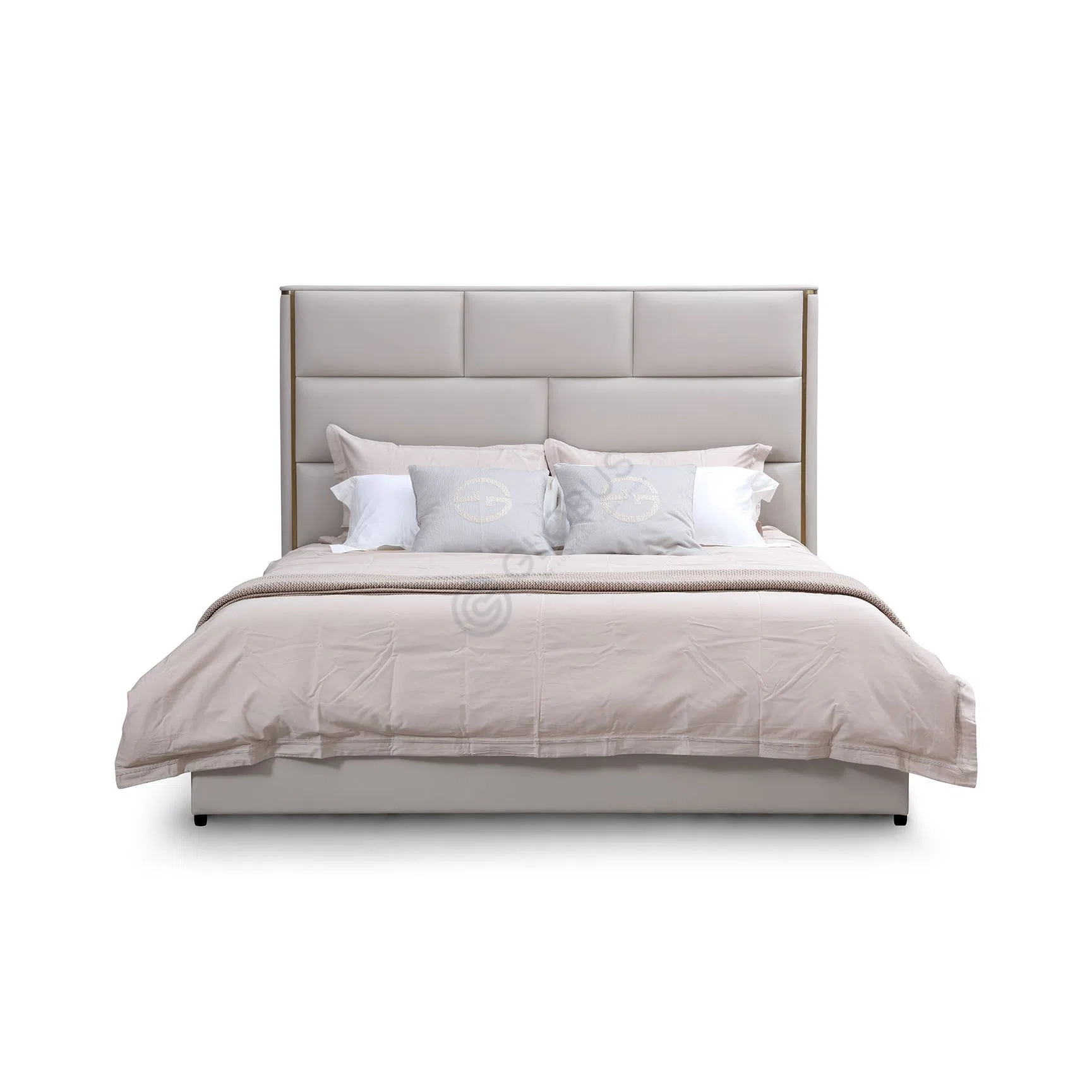
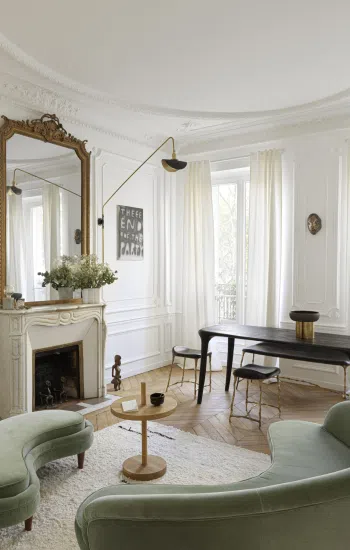
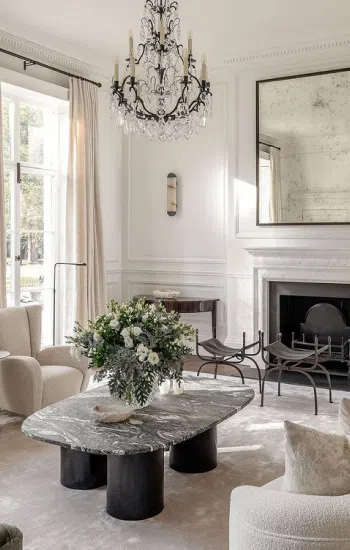
In neoclassical design, soft pastel tones dominate, such as sandy, delicate pink, light grey, milky, beige, and others. The color palette of neoclassicism avoids excessive brightness, which is why interiors in this style often appear almost monochromatic. More saturated shades are typically used only as accent details, for instance, in textiles, decorative elements, or works of art.
FREE
Have a Design Project?
We'll Source All the Furniture and Decor
Send us your spec sheet or rendering, and we'll match every piece of furniture and decor to your design
FREE
Have a Design Project?
We'll Source All the Furniture and Decor
Send us your spec sheet or rendering, and we'll match every piece of furniture and decor to your design
FREE
Have a Design Project?
We'll Source All the Furniture and Decor
Send us your spec sheet or rendering, and we'll match every piece of furniture and decor to your design
Proportions and symmetry
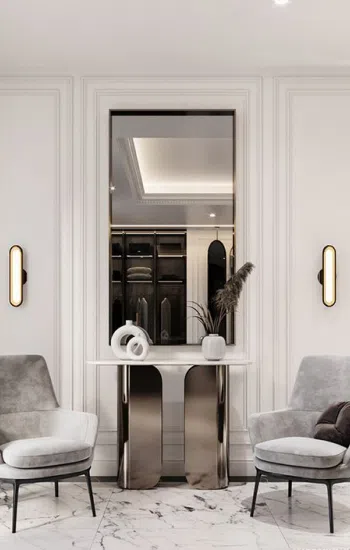
Symmetry and correct proportions that give the interior a sense of harmony and balance are central aspects of neoclassical style. These principles are reflected in the furniture arrangement and architectural and decorative elements. For example, in a neoclassical living room, two identical armchairs can be placed in a line on either side of the sofa. At the same time, paintings, mirrors, or sculptures can be arranged in such a way as to create a mirrored reflection of each other.
Furniture should also be proportional to the space size: in large rooms with high ceilings, you can use hefty pieces, whereas in compact rooms, it is better to choose less bulky furniture.
Refined furniture
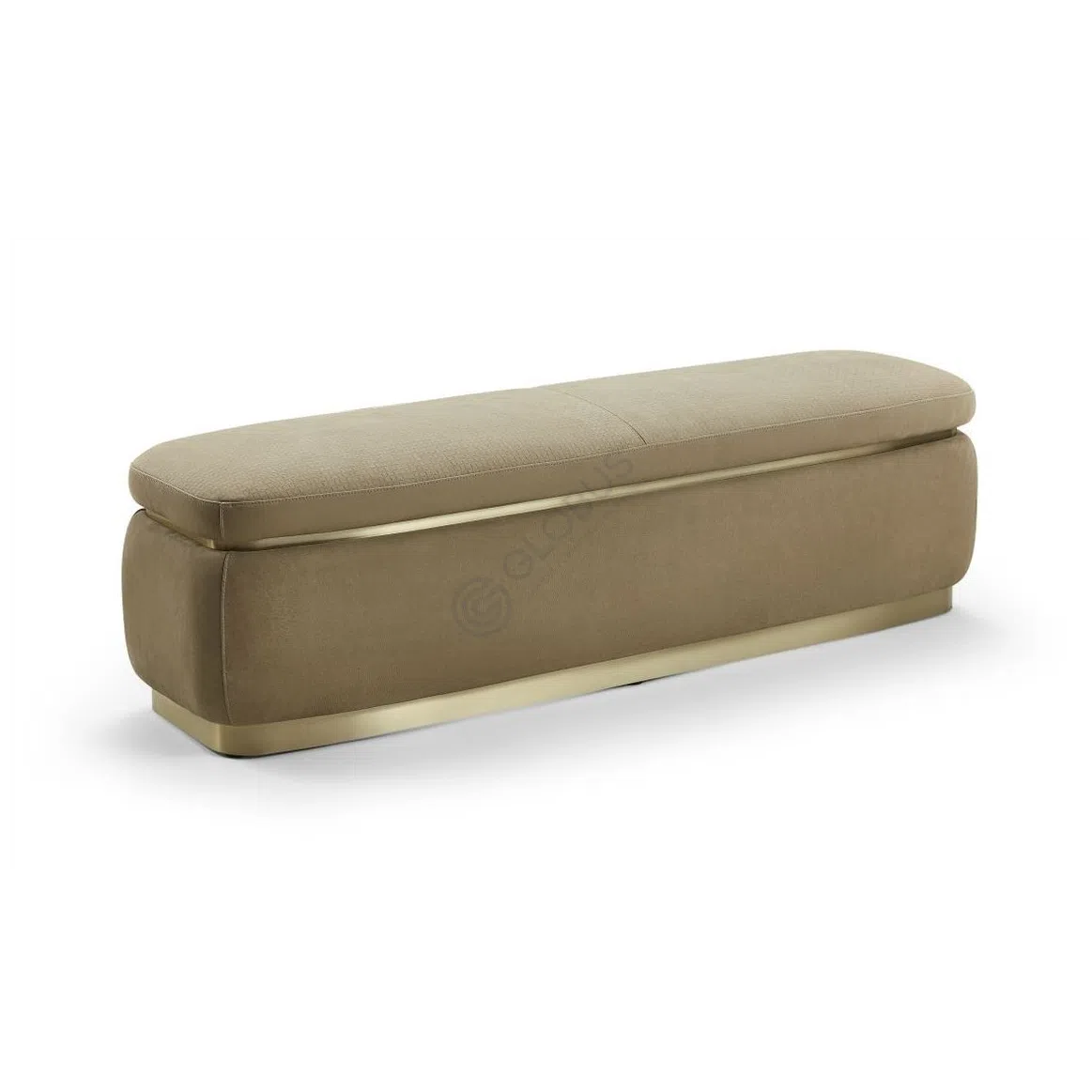
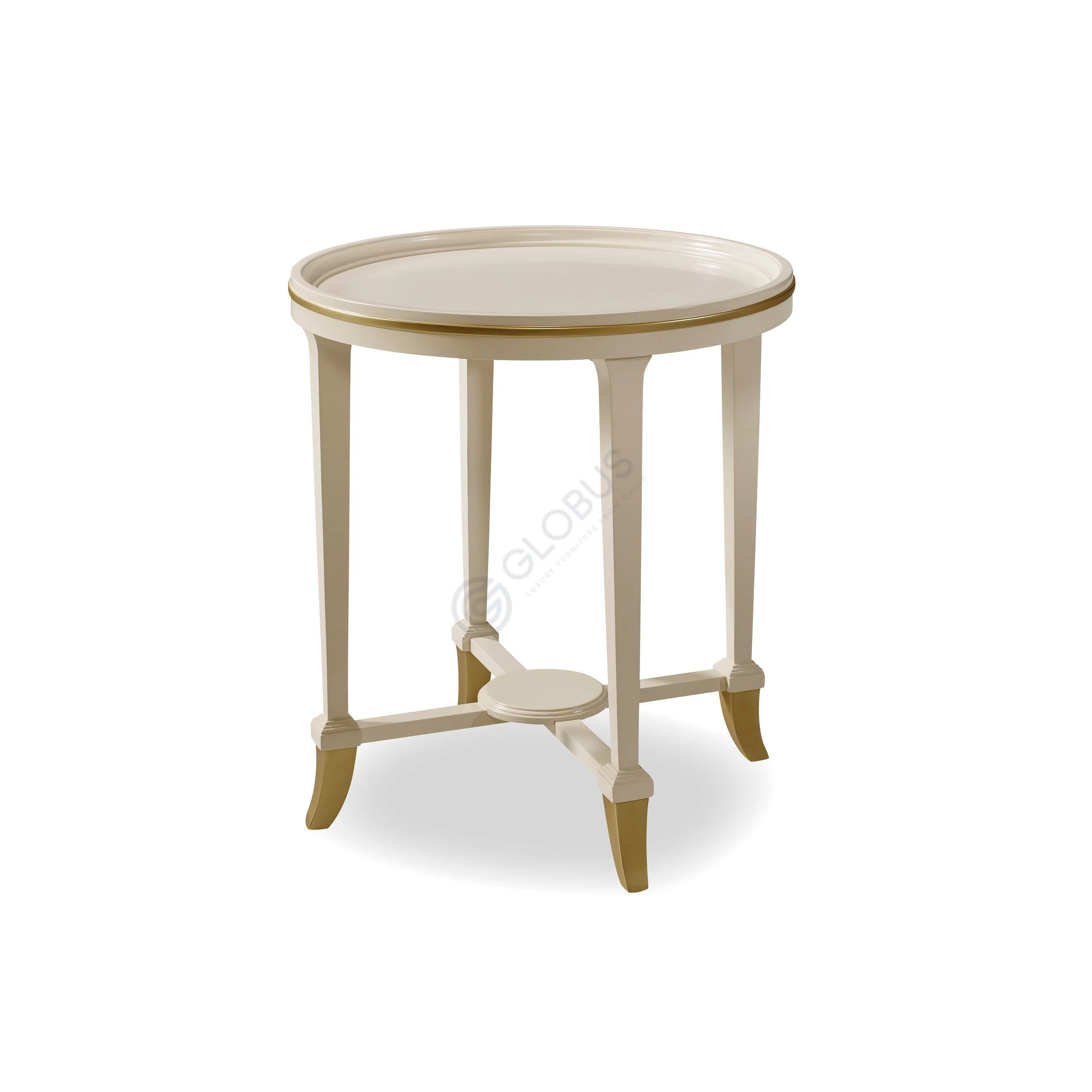
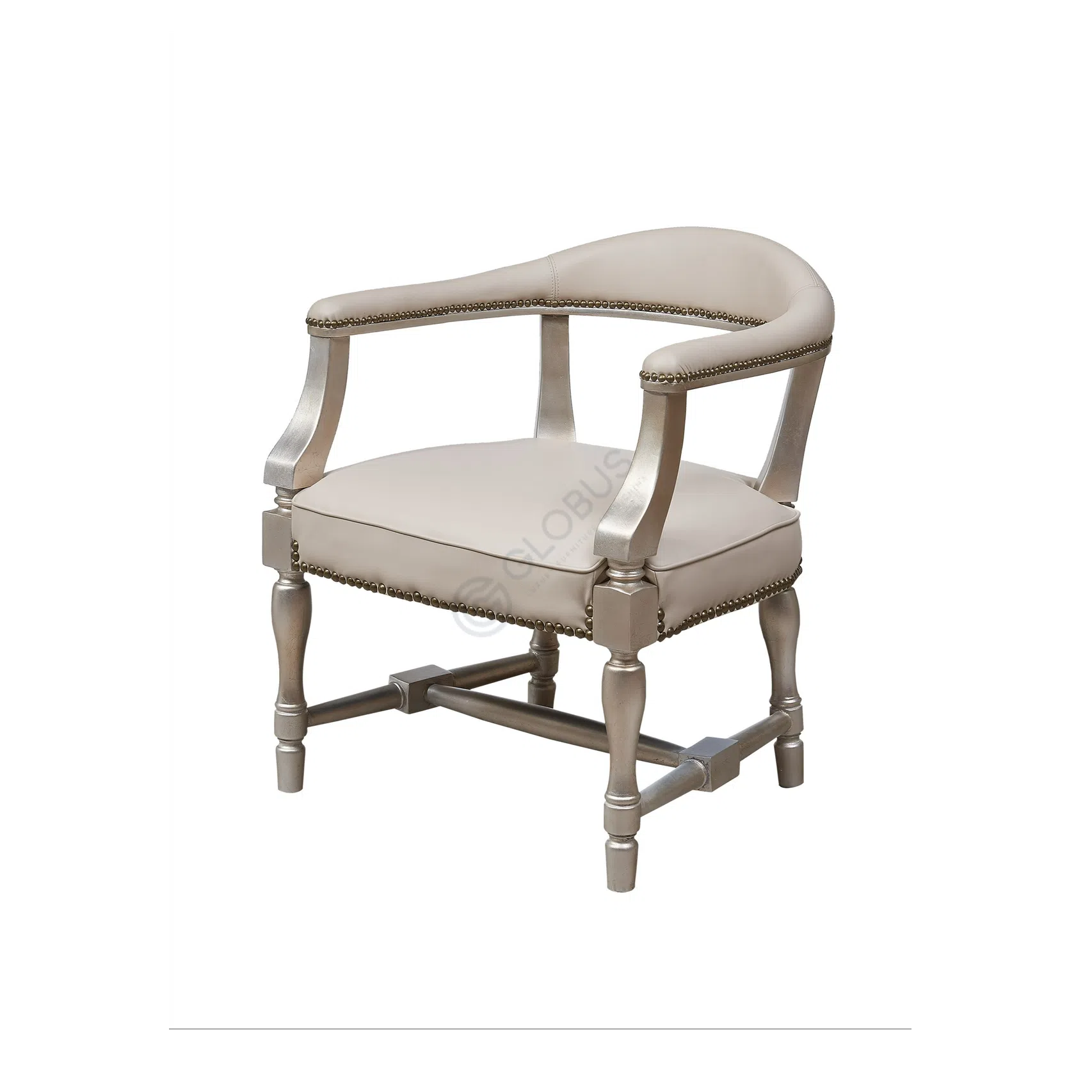
Furniture in neoclassical interiors typically features elegant, classic lines and natural materials. For example, sofas and armchairs may have rounded shapes and carved wooden legs. Upholstered furniture often showcases tufted designs and fabrics such as velvet or silk.
All pieces of furniture must coordinate similar monochromatic textured upholstery and matching shapes of backs and legs.
Accessories and decor
To ensure that a neoclassical space appears harmonious, it is essential to carefully select accessories and decorative elements while avoiding overcrowding the interior.
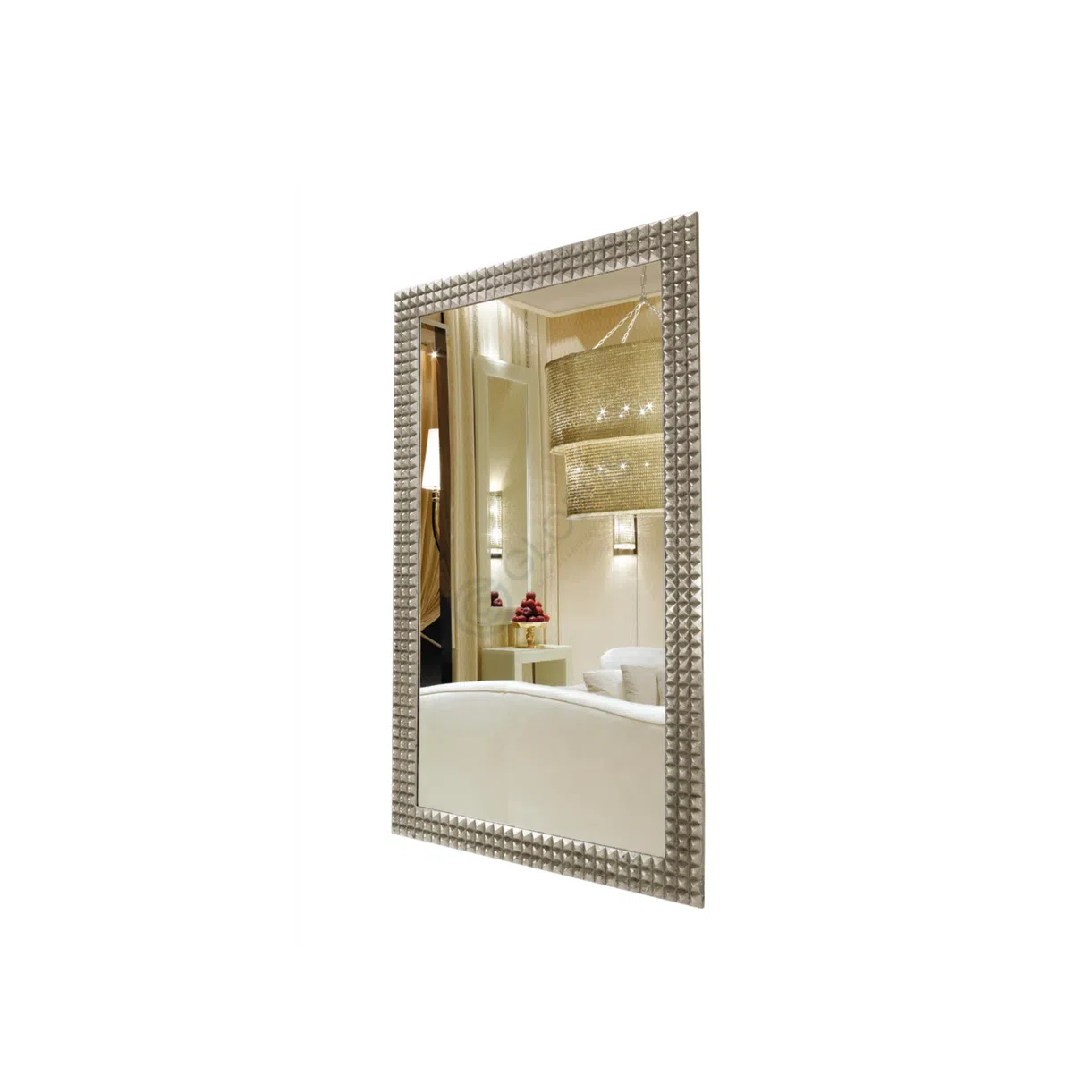
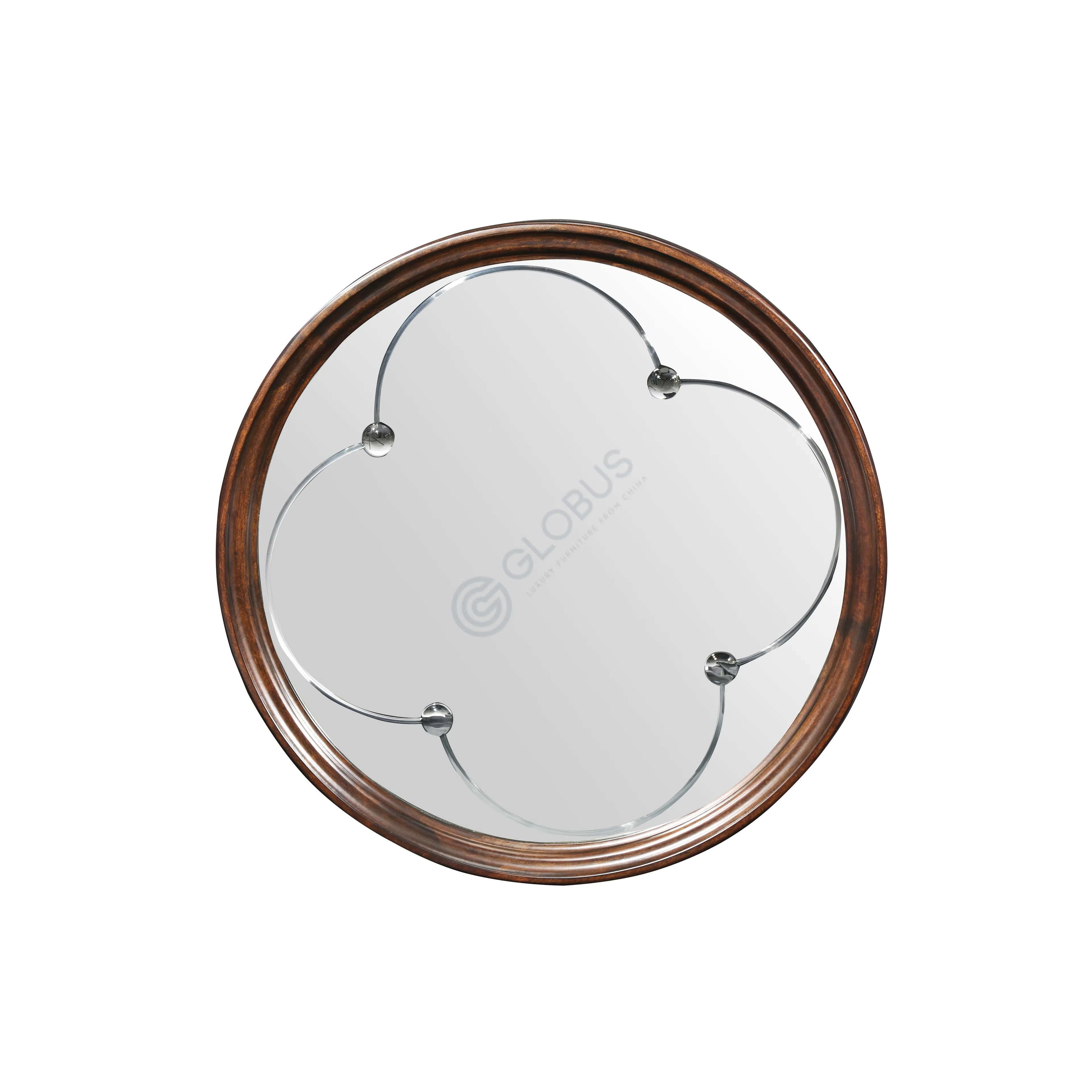
Contemporary decor draws substantially from historical classicism: neoclassical interiors are often complemented by wall sconces, tall candlesticks, and mirrors with simple geometric shapes. Books, works of art, floral arrangements, table lamps with shades, and cozy rugs featuring traditional patterns can all serve as excellent elements in the design of a neoclassical space.
You can learn more about neoclassical style in our new YouTube video: